
Home / Blog / Packaging Design for Small Brands: A Practical Guide
Design & BrandingPackaging Design for Small Brands: A Practical Guide
Packaging protects your product and introduces your brand at the same moment. This guide walks through the structure, content, visuals and print checks that make packaging design work for a small Indian brand.
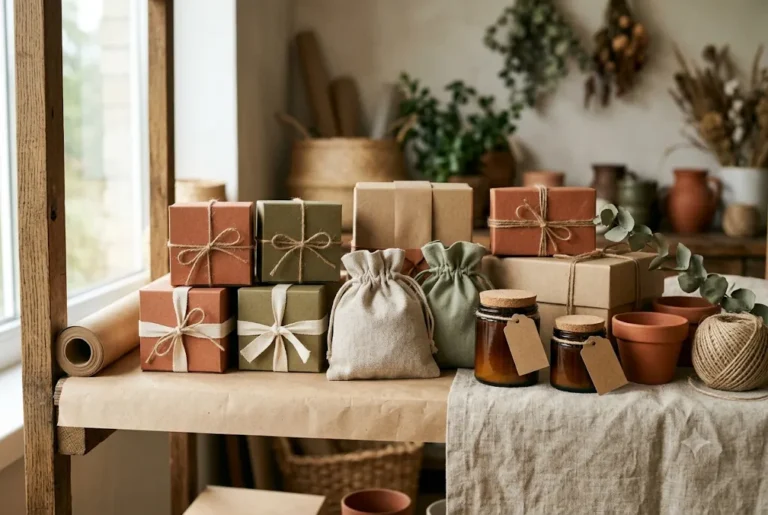
Good packaging design for a small brand comes down to a clear brief, the right structure and dieline, a simple visual hierarchy, complete label information and a printed proof before the final run. Below is a practical guide for Indian founders who sell food, beauty, home or gift products in shops, on marketplaces or through their own store.
- Key takeaways: plan primary, secondary and shipping layers together; get the dieline first; leave room for required text; test a proof before printing.
Related reading and services: packaging and label design, branding agency in India and print design company in India.
Why packaging design matters for a small brand
Packaging does three jobs at once. It protects the product, it tells the buyer what is inside, and it is often the only brand experience a customer gets before using the product. For a small brand with no big ad budget, a box, pouch or label that looks considered can make a new name feel trustworthy at first glance. When you look at packaging design for small brands, compare scope and clarity first and price second.
Good packaging design is not decoration. It is a set of decisions about structure, information, colour, type and print that all serve one goal: the right customer picks your product, understands it in seconds and has no unpleasant surprise when it arrives. If you are still shaping the wider brand, read our brand identity guide first, because packaging should follow the identity, not invent a new one.
The three layers of packaging you may need
Most products need more than one layer, and each layer has a different purpose. Planning them together saves money and avoids a mismatched look.
- Primary packaging touches the product: a jar, pouch, bottle, tube, sachet or the label stuck on it.
- Secondary packaging groups or presents it: a retail carton, sleeve, gift box or tray that sits on a shelf or in a display.
- Shipping packaging gets it to the customer safely: a corrugated mailer, bubble wrap, tape, and the sticker with your name and contact details.
A homemade pickle brand, for example, might need a jar label, a printed carton for gift sets and a branded sticker for courier boxes. A cosmetics start-up may need a tube, a carton and an insert card. List every layer before you brief a designer.
Start your packaging design with a clear brief
Most weak packaging comes from skipping the brief. Before any design starts, write down answers to these questions: who buys this, where will it be seen (a shop shelf, a marketplace listing, Instagram, a gift table), and what must the buyer understand in three seconds? You may also find Sustainable Packaging Design for Indian D2C Brands useful.
Also note your price position, your competitors' packs, how many units you will print first, and your budget for printing, because print cost shapes design choices. A premium look that needs foil and a rigid box is a very different job from a clean, single-colour label on a standard jar. A written brief makes quotes comparable and keeps revisions short.
Want this done for you? Ragnar Studio's handles Packaging & Label Design. See how it works or get a free quote.
A step-by-step packaging design process
Here is a simple order of work that avoids rework. You can follow it yourself or ask your designer to follow it.
- Collect the content. Product name, tagline, ingredients or contents, usage, quantity, price details, address, contact and any certificate numbers.
- Fix the structure. Choose the pack type and size, and get the dieline (the flat cutting template) from the printer or box maker.
- Sketch the hierarchy. Decide what is read first, second and third on the front panel.
- Design the front. Logo, product name, variant, a simple visual idea and one benefit line.
- Design the back and sides. Details, instructions, barcode or QR, and legal text.
- Make a mock-up. A printed paper version folded by hand shows problems no screen will.
- Proof and print. Check colours on a printed proof, then approve the final file.
Skipping the dieline is the most common mistake, since artwork made on a random rectangle rarely fits the real pack.
What information goes on a label
Requirements depend on your product category, so treat this as a planning list and confirm the rules for your product with your printer or a qualified advisor. Food, cosmetics, supplements, children's products and electronics each have their own norms in India.
Commonly seen elements include the product name, net quantity, price details such as MRP where applicable, batch or manufacturing details, ingredients or materials, usage and storage directions, the manufacturer or seller name and address, a customer care contact, and any licence or registration numbers that apply to your category. Leave real space for these from the start. Many designers fix a beautiful front and then discover the mandatory text will not fit on the back.
If you sell in more than one region, a Hindi or regional-language line for usage and care can help customers feel confident.
Structure, size and dielines
Structure comes before graphics. A pack that is hard to open, leaks or does not fit its contents hurts the brand more than any colour choice. Ask your printer which sizes are standard, because custom sizes raise tooling and minimum order costs. Share your references for packaging design for small brands, including things you like and things you want to avoid.
When you receive a dieline, it shows folds, cut lines, glue flaps and safe areas. Keep important text and logos inside the safe area, and extend background colours into the bleed so a slightly shifted cut never shows a white edge. Check which panel faces the customer on a shelf, since a curved pouch hides its side panels while a box shows three faces. Design every visible face on purpose.
Colour, typography and visual hierarchy
On a shelf or a phone screen, your pack competes in about the time it takes to scroll. Use a simple hierarchy: brand name, product name, variant, then supporting detail. Make the variant easy to tell apart, for example by a colour code for flavours or skin types, so customers and your packing staff do not mix them up.
Choose one or two typefaces and keep body text readable at small sizes, since tiny ingredient lists on a busy background are a common complaint. Pick colours that suit the category and the print process. If you are unsure, our guide on choosing brand colours and fonts explains how to build a small, consistent palette. Remember that screen colours and printed colours differ, so judge from a proof.
Materials and print finishes that fit a small budget
Material changes how premium a pack feels and how much it costs. Kraft paper reads natural and handmade, matte laminates feel modern, glossy looks bright and energetic, and rigid boxes feel like gifts. Plastics and flexible pouches suit food and liquids but need the right barrier and sealing. Your own words and real details make packaging design for small brands stronger than generic text ever will.
Finishes such as spot UV, foil, embossing or varnish add feel, but use one or two on a key element rather than everywhere. For a first print run, many small brands do better with a well-designed one or two-colour pack on good stock than with a heavy finish on a weak layout. Ask for small sample sheets and compare, because cost depends on quantity, size, paper and finish, and quotes vary widely.
Packaging for online selling and unboxing
If you sell through your own store or marketplaces, the customer sees your pack twice: as a thumbnail and then in the hand. Design the front so it stays readable at thumbnail size, and photograph all faces. For shipping, protect first and decorate second, because a damaged parcel undoes all the design effort.
Small touches build repeat orders: a thank-you card, a care or usage leaflet, a sticker with your WhatsApp number or Instagram handle, and a neat seal. Tie these to your wider content plan, for example with ideas from our social media creative design tips, so the unboxing moment and your posts look like the same brand. Small decisions about packaging design for small brands, such as naming, structure and file formats, are far easier to fix early than late.
Common packaging design mistakes
- Designing before getting the dieline and finalising the content.
- Putting too many claims, icons and colours on the front panel.
- Leaving no room for mandatory text on the back.
- Choosing a delicate font and a low-contrast colour that vanish in shop lighting.
- Approving artwork from the screen without a printed proof.
- Ordering a large first run before testing the pack with a few real customers.
- Ignoring how the pack looks in a product listing image.
- Using a different look for each variant so the range feels like separate brands.
A short test with a handful of friendly customers often exposes these problems cheaply.
Packaging design checklist before you print
- The dieline is from your actual printer or box maker.
- All text is spelled correctly in every language used.
- Required product details are present and readable.
- Barcode or QR code scans on a printed test.
- Fonts are outlined or embedded, images are high resolution, and colours are set for print.
- Bleed and safe margins are correct.
- Variants are easy to tell apart.
- You have seen a physical proof or mock-up.
- The shipping layer protects the product.
- You have saved final files and a short note of paper, finish and supplier for reorders.
When to hire a packaging designer, and what affects cost
You can handle a simple label yourself if the structure is standard and the content is short. Bring in a designer when you have multiple variants, a custom box, a retail launch, or when the pack must carry a premium price. A designer also helps you avoid expensive print errors.
Cost depends on the number of pack types and variants, structure complexity, illustration or photography needs, revisions, and print specifications, so it is a custom quote rather than a fixed price. If you want help, see our packaging and label design services, and if you are also deciding between tools and professionals, our comparison of Canva vs a professional designer covers that trade-off.
To sum up: write the brief, get the dieline, design for hierarchy, check the details, test a proof and keep your files organised. Do that and your packaging design will protect the product and sell the brand.
Frequently asked questions
What is packaging design?
Packaging design is the planning of a pack's structure, graphics, text and print so it protects the product, communicates what it is and builds the brand. It covers the physical form, the label or box artwork, materials and finishes, and the files prepared for the printer. Revisit packaging design for small brands every few months, because needs, tools and expectations change over time.
How much does packaging design cost in India?
There is no single price. Cost depends on how many packs and variants you need, structure complexity, illustration or photography, revisions and print specifications. Treat any quote as specific to your scope, and ask for a written list of deliverables so you can compare offers fairly.
What is a dieline and why do I need one?
A dieline is the flat template of a box or label showing cut lines, folds, glue flaps and safe areas. Artwork must be built on it so that text and logos sit correctly after folding. Your printer or box maker can supply the dieline for their machine.
What information must be on a product label?
It depends on your category. Commonly seen details are product name, net quantity, price information, batch details, ingredients or materials, usage directions, seller or manufacturer address and customer contact. Food and cosmetics have extra norms, so confirm with your printer or a qualified advisor before finalising.
Can I design packaging in Canva?
For a simple label on a standard format, yes, if you export print-ready files with correct size, bleed and colour. For custom boxes, many variants or premium finishes, a professional usually saves reprints. Our comparison of Canva and a professional designer explains how to decide. Setting a sensible budget for packaging design for small brands early makes every later choice simpler.
How do I choose colours for packaging?
Start from your brand palette, then think about the category and what competitors use. Pick a clear contrast between text and background, give each variant a recognisable colour cue and always judge on a printed proof, since screen colours differ from printed ones.
How many units should I print first?
Print only as many as you can sell and store comfortably, since design tweaks are common after real customer feedback. Ask the printer for the minimum order and a price break, and consider a small test batch before a large run if the pack is new.
Do I need separate packaging for online orders?
Usually yes. A retail carton may not survive courier handling, so add a sturdy shipping layer. Keep the brand visible with a sticker, a thank-you card and your contact details, but always put protection first so the product arrives intact. If packaging design for small brands involves several people, nominate one person to collect feedback and make the final call.
If you would like a pack or label designed to print correctly the first time, see our packaging and label design services and share your product details on WhatsApp for a custom quote.
Free quote
Tell us about your packaging
Fill this short form and send it on WhatsApp. We reply with questions or a quote. Nothing is charged on the website.
- Takes about two minutes
- Goes straight to Ragnar Studio's on WhatsApp
- Prefer email? Write to info@ragnarstudio.com
Ready to start your project?
Tell us what you need. We reply on WhatsApp with questions, next steps and a quote.