
Home / IT & Design Blog / How to Start Dropshipping in India: A Practical Step-by-Step
Shopify & EcommerceHow to Start Dropshipping in India: A Practical Step-by-Step Guide
Dropshipping lets you sell online without holding stock, but it still needs a real plan. Here is an honest walkthrough of each step, the costs and the risks.
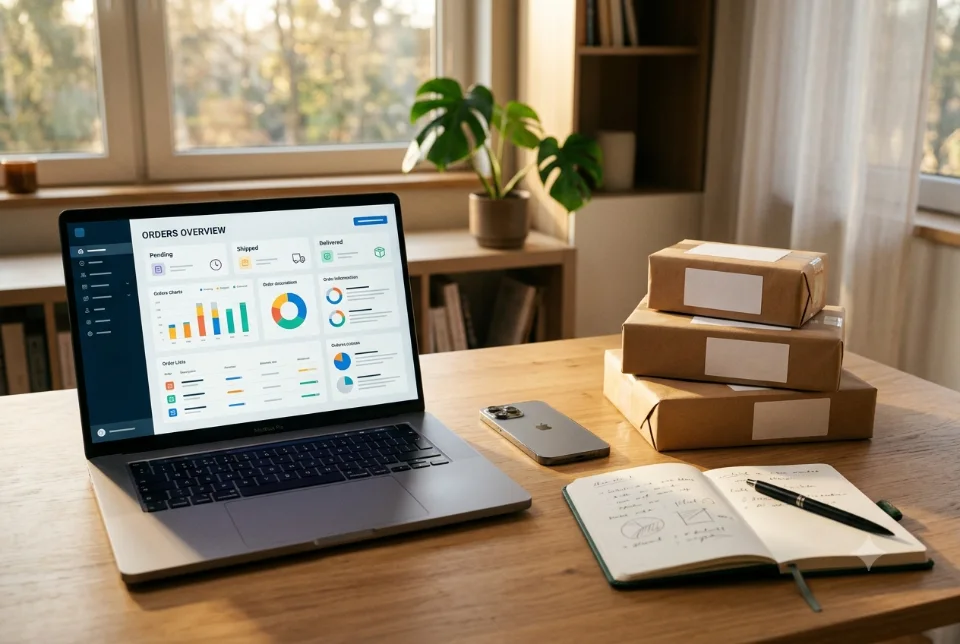
If you are wondering how to start dropshipping in India, the short answer is this: pick a niche, find a reliable supplier, build a store on a platform like Shopify, set prices that cover all your costs, connect payments, and then bring in customers through ads or organic promotion. You do not buy stock in advance, but you do pay for the store platform, tools and marketing, and nothing about sales is guaranteed. The sections below walk through each step in plain language.
What dropshipping actually means
In dropshipping, you run the online store and the customer relationship, while a supplier stores the product and ships it to your customer. When someone orders from your store, you pass the order to the supplier, pay the supplier price, and keep the difference between that price and what the customer paid. Because you never touch the parcel, you avoid warehouse and inventory costs.
That sounds simple, and the model is simple. The work sits elsewhere: choosing products people want, keeping delivery times acceptable, handling complaints about things you do not control, and getting visitors to your store. Anyone learning how to start dropshipping in India should treat it as a small business with real operations, not a shortcut.
How to start dropshipping in India: the steps at a glance
Here is the full path in order. Each step is explained in the sections that follow.
- Choose a niche: a focused product category with a clear buyer, not a random mix.
- Find suppliers: test quality, delivery time and return handling before you list anything.
- Build the store: pick a platform, a theme, product pages and the policy pages customers expect.
- Set prices: cover product cost, shipping, payment fees, returns and advertising, then leave a margin.
- Connect payments: UPI, cards and wallets through a gateway, plus a decision on cash on delivery.
- Market the store: paid ads, organic posts, or both, within a budget you can afford to lose while learning.
- Serve customers well: fast replies, honest delivery updates and a clear returns process.
- Review and improve: look at numbers every week and drop what does not work.
Step 1: Choose a niche you can explain
A niche is a specific group of products for a specific kind of buyer, such as pet accessories, kitchen organisers, or desk setup items. A narrow niche is easier to market because your ads, product photos and store name all say the same thing. A general store that sells everything makes it hard for visitors to trust you.
Good questions to ask: Can I describe the buyer in one sentence? Is the product light and unlikely to break in transit? Is it something people buy online already? Does it avoid restricted or regulated categories? Look at what Indian shoppers search for and what they complain about in reviews of similar items, because complaints show you where you can do better. Avoid fragile, very heavy or size-sensitive products when you are starting out, since they tend to generate returns.
Step 2: Find and test a supplier
Your supplier decides most of your customer experience, so this step deserves time. Options include Indian wholesalers and manufacturers, dropshipping platforms that sync products to your store, and overseas marketplaces. Indian suppliers usually mean faster delivery and easier returns, while overseas sources can have longer delivery windows that customers in India may not accept.
Before listing a product, check these points:
- Order a sample yourself: check quality, packaging and how long it takes to arrive at your own address.
- Ask about dispatch time: a supplier who needs five days just to pack an order will hurt your reviews.
- Confirm the returns policy: know who pays for return shipping and what counts as a valid return.
- Check pincode coverage: some couriers do not deliver to every area, and that affects which customers you can serve.
- Get invoicing clarity: understand what paperwork comes with each order.
Supplier platform fees, if any, are paid by you directly to that platform and are separate from your store costs.
Step 3: Build your online store
Most beginners choose Shopify because it is hosted for you and has ready-made themes, a checkout and many supplier connections. The Shopify subscription starts from about ₹1,499 per month at the time of writing, so confirm the current price on Shopify itself. WooCommerce on WordPress is another route, with more control but more technical upkeep. Our comparison of Shopify vs WooCommerce for Indian sellers explains the trade-offs.
Whatever platform you choose, a trustworthy store needs a clear name, a clean theme, product pages with honest descriptions and good images, and visible Contact, About, Shipping and Returns pages. Our Shopify store setup checklist covers the details, and the page on legal and policy pages for Indian online stores explains what to publish before you take orders.
Step 4: Price products so you actually keep money
New sellers often look only at the gap between supplier price and selling price. That gap has to pay for much more: payment gateway fees, advertising cost per sale, returns, refunds, failed deliveries and the time you spend on support. If your margin disappears after ads, you are working for free.
A common starting point is a markup of around 60 percent over the supplier price, which we use as a recommendation in our own store builds and which can be adjusted for your niche. Treat it as a starting assumption, not a rule. When you plan how to start dropshipping in India, work out your cost per order on paper, add a realistic ad cost, and check what is left. If very little remains, change the product, the price or the supplier before you spend on ads.
Step 5: Payments, cash on delivery and GST basics
Indian shoppers expect UPI, debit and credit cards, and often cash on delivery. A payment gateway such as Razorpay or PayU connects these to your store, and each charges its own transaction fees, so read the current terms before choosing. Fees are paid by you to the gateway.
Cash on delivery can lift orders but also brings refusals at the door, and in dropshipping you may still pay shipping on a refused parcel. Many sellers start with prepaid payments or a small COD deposit, then widen COD once they know their refusal rate. On the legal side, business registration, GST and any local licences depend on your situation. Confirm them with a chartered accountant or the official government portals rather than relying on a blog post, including this one.
Step 6: Bring in customers
A store with no visitors makes no sales, and this is where most beginners struggle. You have two broad routes. Organic promotion means posting product links in relevant communities and on social media, which costs time rather than ad spend. Paid advertising on Facebook and Instagram can reach more people faster, but you pay Meta directly and a new account needs testing before it works well. The article on Meta Ads vs organic marketing for dropshipping compares both.
Start small. Test a few products with a modest daily budget, watch cost per order, and stop what does not convert. Do not expect results in the first week, and remember that ad spend, product choice and creative quality all affect the outcome. No agency or course can promise sales.
Step 7: Customer service and returns
Because you do not control packing or shipping, customers will contact you about delays and damaged items. Reply quickly, share tracking links, and be honest when something goes wrong. A short WhatsApp or email reply that says what you are doing about the problem protects your reputation far better than silence.
Write a returns and refund policy that matches what your supplier actually allows. If the supplier will not take returns, do not promise free returns to customers. Keep a simple sheet that records each complaint, the cause and the fix, because patterns show you which supplier or product to remove.
What it costs when you plan how to start dropshipping in India
Budget for these items before you begin: the Shopify subscription (from about ₹1,499 per month), your domain name, supplier platform fees if any, payment gateway fees per transaction, and money for ads or tools. Ad spend is the cost beginners most often underestimate, because testing means some spend that does not return sales.
If you would rather not build the store yourself, our Shopify dropshipping store setup plans start at ₹2,000, with the Shopify subscription, supplier fees and ad spend paid by you directly to those platforms. The wider dropshipping business setup page explains how we work with new sellers. We are happy to explain what each plan includes before you decide.
Risks to know before you decide how to start dropshipping in India
Honest advice matters here, because dropshipping is often sold with big promises. These are the real risks:
- Thin margins: competition pushes prices down, and ad costs rise as more sellers target the same buyers.
- Supplier dependence: stock-outs, slow dispatch or poor quality affect your brand, not theirs.
- Delivery and refusals: late parcels and COD refusals create cost and unhappy customers.
- Ad account problems: platforms can reject ads or restrict accounts, so follow their rules carefully.
- No guaranteed income: results depend on product, market, budget and effort, and some new stores may go for a while without any sales.
Many first-time sellers also underestimate the time involved, since replying to messages, checking orders and updating listings all add up. Knowing these risks does not mean you should skip the idea. It means you should start small, protect your cash and learn from real orders.
A sensible first 30 days
If you are still unsure how to start dropshipping in India, a focused first month keeps things manageable. In week one, pick your niche and shortlist suppliers, then order samples. In week two, build the store, add a small set of products and publish your policy pages. In week three, test payments with a real small order, fix anything awkward, and prepare product photos and descriptions. In week four, start a small marketing test and track every order and cost.
After thirty days you will know far more than any guide can tell you: which products people click, what delivery really looks like and where your costs leak. Use that to decide whether to continue, change the niche or stop.
Frequently asked questions
How much money do I need to start dropshipping in India?
There is no single figure. You need money for the Shopify subscription (from about ₹1,499 per month), a domain, payment gateway fees, any supplier platform fees and a testing budget for ads. Ad spend is the largest and most uncertain part, so start with an amount you can afford to lose while learning.
Is dropshipping legal in India?
Dropshipping itself is a legitimate business model, but you must still follow Indian rules on business registration, GST where applicable, consumer protection and product restrictions. Requirements depend on your situation and turnover, so confirm them with a chartered accountant or official government sources before you start selling.
Which platform should I use when learning how to start dropshipping in India?
Many beginners pick Shopify because it is hosted, has ready themes and connects with supplier tools. WooCommerce on WordPress gives more control but needs more technical upkeep. The right choice depends on your budget, comfort with technology and long-term plans, so compare both before committing.
Can I learn how to start dropshipping in India without any investment?
Not entirely. You avoid buying stock, but you still pay for a store platform, a domain, payment fees and marketing. Organic promotion can reduce ad spend, but it costs time and brings no guarantee of sales. Be wary of anyone who says it is completely free.
How do I find reliable dropshipping suppliers in India?
Shortlist Indian wholesalers and dropshipping platforms, then order samples to your own address. Check packaging, quality, dispatch time, pincode coverage and who pays for returns. Start with a small product range and watch complaint patterns before adding more items or spending on ads.
Do I need GST registration to start dropshipping?
It depends on your turnover, the states you sell into and how you structure the business. Rules change, so ask a chartered accountant or check official government portals. Do not assume you can skip registration just because you do not hold stock yourself.
How long does it take to get the first order?
There is no reliable timeline. It depends on the product, store quality, pricing, marketing budget and effort. Some stores get early orders from ads, others take weeks of testing. Plan for a learning period and avoid promises from anyone claiming quick sales.
Should I offer cash on delivery in my dropshipping store?
COD can help conversions because many Indian buyers prefer it, but refused parcels cost you shipping and time. Many new sellers begin with prepaid orders or a small deposit, then add COD once they understand their refusal rate and supplier terms.
If you want a ready, tested starting point instead of building everything alone, see our dropshipping business setup service and message us on WhatsApp for a quote.
Free quote
Tell us about your dropshipping plan
Fill this short form and send it on WhatsApp. We reply with questions or a quote. Nothing is charged on the website.
- Takes about two minutes
- Goes straight to Ragnar Studios on WhatsApp
- Prefer email? Write to info@ragnarstudio.com
Services that help with this.
Dropshipping Business Setup
We help first-time sellers go from an idea to a working Shopify store with products, supplier sync and a training session.
Explore →Shopify Dropshipping Plans
Pick a plan, share your store name and niche, and we build your Shopify store with products, supplier sync and a training session.
Explore →Shopify Store Development
Ragnar Studios designs and builds Shopify stores with custom sections, clean product pages, Indian payment and shipping setup,…
Explore →More from the IT & design blog
Ready to start How to Start Dropshipping in India: A Practical Step-by-Step?
Tell us what you need. We reply on WhatsApp with questions, next steps and a quote.