
Home / IT & Design Blog / SEO vs SEM: Difference and Which to Choose in India
SEO & GrowthSEO vs SEM: Difference and Which to Choose in India
A clear comparison of organic and paid search for small businesses, with a simple way to decide where your first rupee should go.
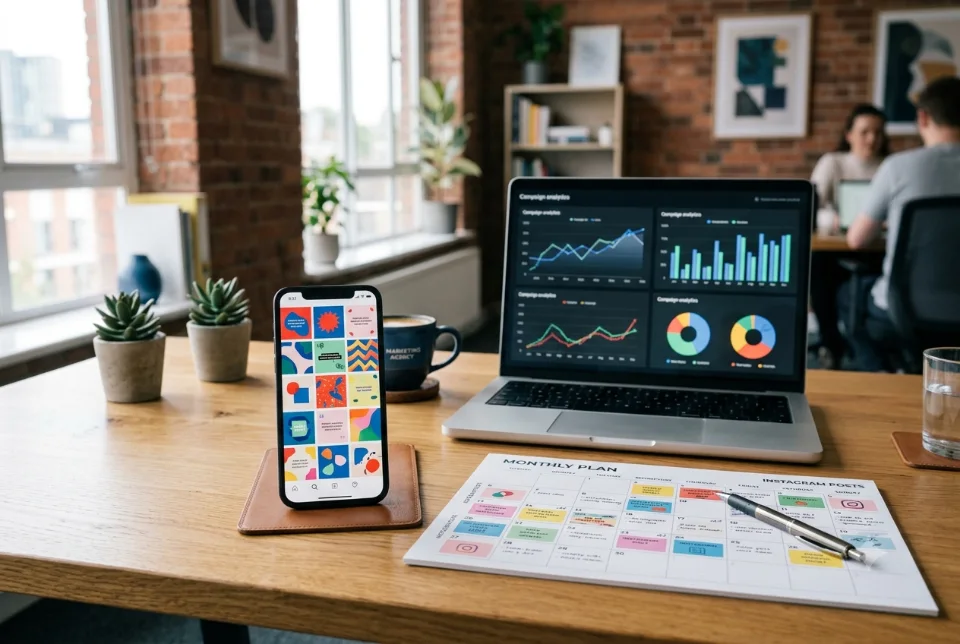
SEO vs SEM is really a choice between earning visibility and buying it. SEO (search engine optimisation) improves your website so it can appear in unpaid search results over time. SEM (search engine marketing) usually means paid search ads, such as Google Ads, that can show your business at the top of results within days. Most small businesses end up using both at different stages. This guide explains how SEO vs SEM compares on speed, cost, trust and risk, and how to decide what to do first.
SEO and SEM in plain words
SEO is the work you do on and around your website so search engines understand it and consider it useful. That includes clear page content, good titles, fast loading, mobile-friendly design, helpful articles and mentions from other sites. You do not pay Google when someone clicks an organic result.
SEM is a broader label for search marketing. In everyday Indian business talk it means paid ads on search engines, mainly Google Ads, where you bid for keywords and pay when someone clicks. Strictly speaking, some people treat SEM as an umbrella that includes SEO as well, but most agencies and small business owners use it for the paid side. We use that meaning here, so the SEO vs SEM question becomes organic versus paid.
The core differences at a glance
Here is how the two compare on the points owners usually care about:
- Speed: paid campaigns can start showing ads soon after approval, while SEO usually takes weeks to months to gain traction.
- Cost model: SEO costs time, content and expert help but has no per-click fee. SEM charges for clicks, and you pay that ad spend directly to Google.
- Durability: good SEO keeps working without per-click costs, though it needs upkeep. SEM stops the moment you stop paying.
- Control: with ads you choose the keywords, budget, location and timing. With SEO, Google decides your position.
- Trust: many people scroll past labelled ads and prefer organic listings, though a relevant ad with a clear offer can still win a click.
- Measurement: ads give fast, detailed numbers. SEO data is slower and less direct.
What SEO and SEM involve day to day
SEO has three parts. Technical SEO makes sure your site loads fast, works on phones and can be crawled. On-page SEO means each page has a clear topic, a useful title, honest headings and content that answers the visitor. Off-page SEO covers reviews, mentions and links from other trusted sites. Our SEO checklist for small business websites lists the basics in order.
Because search engines change and competitors keep working, SEO is closer to maintaining a shop than painting a wall. The effort compounds, but it never fully stops.
SEO vs SEM on speed and timeline
If you need enquiries next week, SEO alone will probably disappoint you. A new website has little history, and search engines take time to crawl, understand and trust it. Competition also matters: ranking for "plumber in Pune" is a different task from ranking for "accounting software".
Search ads work differently. Once your account, ads and landing page are approved and live, your business can appear for the keywords you bid on. That does not mean sales are automatic. Poor keywords, a weak landing page or a tiny budget can burn money quickly. Speed is the advantage of SEM, not a promise of results.
On the paid side, a search ad campaign starts with keyword research, then ad copy, a landing page and a conversion goal such as a call, form fill or WhatsApp click. After launch the real work begins: reviewing search terms, adding negative keywords so you stop paying for irrelevant clicks, testing headlines and adjusting bids and budgets. A campaign left alone for months usually drifts into waste, which is why SEM needs regular attention even when the budget is small.
What each one costs in India
Neither option has a single price. For SEM, you pay Google directly for clicks, and the cost per click depends on your industry, location, competition and ad quality. A management fee for an agency, if you hire one, is separate from that ad spend. For SEO, costs depend on the size of your website, the number of pages and keywords, content needs and how competitive your market is.
As a rough guide only, typical market ranges vary widely, so treat any figure you read as indicative, not a Ragnar quote. Some small businesses begin paid search with a modest daily budget to test demand, while SEO is often priced as a monthly retainer or a one-time project. Ask any provider for a written scope, what is and is not included, and who owns the accounts.
Trust, clicks and search intent
People searching on Google fall into two broad groups. Some are researching, with queries like "how to choose a CCTV camera". Others are ready to act, with queries like "CCTV installation near me". Organic content is strong at serving researchers and building familiarity. Ads are strong when someone is ready to act and you want to be in front of them immediately.
Trust builds differently as well. A well-ranking article or a profile with many genuine reviews feels earned. An ad feels like a pitch, though a clear headline, a fair offer and a fast page can still persuade. Both need a decent website behind them, because the click is only the first step. Indian buyers often compare two or three options on their phone and then message on WhatsApp, so a clear phone number, a visible WhatsApp button and a page that loads quickly can matter as much as the ranking position itself.
How to decide: a simple framework
Use these questions to place your business in the SEO vs SEM decision:
- How soon do you need enquiries? If it is urgent, SEM can fill the gap while SEO builds.
- Do people search for what you sell? Check Google for your service and city. If nobody searches, ads and SEO will both struggle, and social media may suit you better.
- What is your monthly budget? Ads need steady spend to learn and perform. If funds are tight, start with a profile and site fixes.
- How competitive is your market? Very crowded terms are expensive for ads and slow for SEO, so aim at narrower, specific searches.
- Is your website ready? Weak pages waste both organic and paid traffic. Fix the basics first.
- What is your sales cycle? Long, high-value purchases favour content and trust. Quick, local purchases favour ads and a strong map listing.
Which suits which kind of business
Some patterns are common, though every case differs.
- Local shops, clinics and restaurants: start with a complete Google Business Profile and reviews. Our guide to local SEO for Indian small businesses covers this in detail. Add ads only for specific offers.
- Service firms and consultants: mix helpful pages and articles with a small ad budget on your most profitable services.
- Online stores: product page SEO takes time, so ads often carry early sales while organic grows. Compare channels in our post on Google Ads vs Meta Ads for small business.
- New launches and events: paid search suits short windows where waiting for rankings is not an option.
Why many businesses use both
The SEO vs SEM debate often ends in the same place: a blend. Ads can test which keywords and messages actually bring enquiries. You can then build pages and content around the winners, so SEO is guided by real data instead of guesses. In the other direction, strong organic pages improve the experience of visitors who arrive from ads, and a trusted brand tends to be clicked more.
Seen this way, the SEO vs SEM question becomes a sequence rather than a contest. Both also feed one another through your tracking. Set up call tracking, form tracking and WhatsApp click tracking from day one, so you can see which source produced a real enquiry rather than just a visit.
Budgeting by business stage
A practical way to split effort is to follow your stage, not a fixed percentage.
- Brand new, no site: build a clear, fast website and a Google Business Profile first. Spending on traffic before this is wasteful. A small business website with proper structure is the foundation.
- Early traction: run a small, tightly targeted ad campaign to learn what converts, and begin basic SEO on your main pages.
- Growing steadily: invest more in content, reviews and links, and keep ads on your best performing terms.
- Established: protect organic rankings, expand into new areas and use ads for seasonal pushes.
No stage guarantees leads or sales. Results depend on competition, budget, website quality and time.
Mistakes to avoid
These are the errors we would flag first when comparing SEO vs SEM plans:
- Sending ad clicks to your homepage: use a focused page for each offer, ideally a proper landing page.
- Judging SEO after four weeks: it needs more time, so set expectations in months.
- Starting ads with no tracking: you will not know what worked.
- Chasing broad keywords: specific searches usually cost less and match intent better.
- Buying cheap link packages or promises of page one: these can harm your site and no one can guarantee a ranking.
Your next step
Open Google, search for your service the way a customer would, and note who appears in ads and who appears organically. That quick look tells you how crowded the market is and what you are up against. If you want help, our SEO services for small business and Google Ads and SEM services both start with understanding your goals and then a custom quote. Whichever way you go, SEO vs SEM is rarely an either-or decision for long, and a small, measured start beats a big, unfocused one.
Frequently asked questions
What is the main difference between SEO and SEM?
SEO earns unpaid visibility by improving your website and its reputation over time. SEM, in everyday use, means paid search advertising such as Google Ads, where you pay per click for faster visibility. The first builds slowly and lasts, the second starts quickly and stops when you stop paying.
Is SEM the same as Google Ads?
Mostly, in everyday business talk. Google Ads is the main platform for search advertising, so people use SEM to mean paid search. Some marketers use SEM as a wider term that also covers SEO, so it is worth asking exactly what a provider means before you compare quotes.
Which is better for a small business, SEO or SEM?
Neither is better in every case. SEM suits businesses that need enquiries soon and can fund steady ad spend. SEO suits those who can wait and want lasting visibility. Local businesses often start with a strong Google Business Profile, then add ads for particular offers once their website is ready.
How long does SEO take compared with SEM?
SEM can show ads soon after your campaign is approved and live, though it still needs testing and tuning. SEO usually takes weeks to months to show movement, and longer in competitive markets. Nobody can promise a specific ranking, so plan on a patient, monthly effort.
Is SEO cheaper than paid ads?
SEO has no per-click charge, but it still costs time, content and expertise, so it is not free. Ads cost money for every click, and costs rise with competition. Over a long period SEO can be more efficient, while ads give faster control. Compare based on your goals and budget.
Can I do SEO and SEM together?
Yes, and many businesses do. Ads help you test keywords and messages quickly, and the learning guides your SEO content. Organic pages also improve the experience for ad visitors. Start small, track enquiries carefully and add budget only where you can see real calls, forms or WhatsApp messages.
How much should I spend on SEM as a small business?
It depends on your industry, location and competition, so no fixed figure fits everyone. Many businesses start with a modest daily budget to test demand, then adjust. Ad spend goes directly to Google and is separate from any agency fee. Decide a monthly limit you are comfortable losing while learning.
Do paid ads help my SEO rankings?
Not directly. Paid ads and organic rankings are separate systems, and buying ads is not a shortcut to better organic positions. However, ads can bring visitors, reveal useful keywords and increase brand awareness, which may support your wider marketing. Treat them as complementary tools and judge each on its own results.
Not sure whether to start with SEO or paid search? Share your goals with us and we will suggest a plan and a custom quote through our Google Ads and SEM services page.
Free quote
Tell us about your Google Ads needs
Fill this short form and send it on WhatsApp. We reply with questions or a quote. Nothing is charged on the website.
- Takes about two minutes
- Goes straight to Ragnar Studios on WhatsApp
- Prefer email? Write to info@ragnarstudio.com
Services that help with this.
Google Ads (SEM)
Ragnar Studios sets up and manages Google Ads campaigns for Indian businesses, from keyword research to reporting.
Explore →Local SEO
We set up and improve the signals Google uses to show your business for searches in your city: your profile, listings, location…
Explore →Meta Ads Agency
Ragnar Studios sets up and manages Facebook and Instagram campaigns for Indian businesses, from the first objective to…
Explore →More from the IT & design blog
Ready to start SEO vs SEM: Difference and Which to Choose in India?
Tell us what you need. We reply on WhatsApp with questions, next steps and a quote.