
Home / Blog / Shopify Dropshipping Store Cost: Setup, Monthly Fees and Ad
Shopify & EcommerceShopify Dropshipping Store Cost: Setup, Monthly Fees and Ad Budget
Dropshipping saves you from buying stock, but it still has setup, monthly and marketing costs. Here is a clear breakdown so you can plan before you spend. This guide on Shopify dropshipping store cost covers key takeaways, how dropshipping works, in one paragraph and fixed dropshipping plans at Ragnar Studio's.
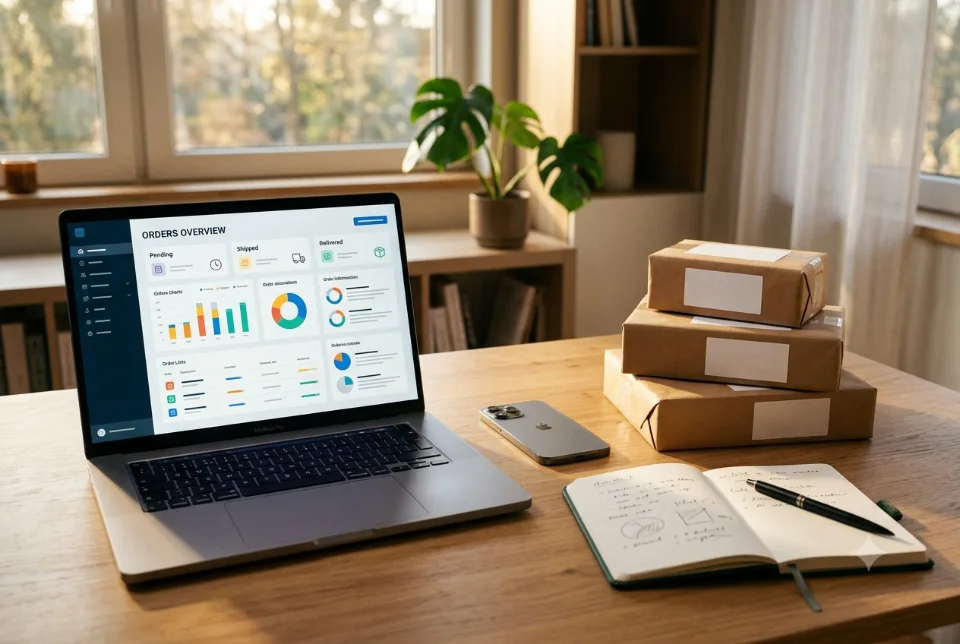
Shopify dropshipping store cost has three layers: what you pay to get the store built, what you pay every month to keep it running, and what you spend on marketing. Many beginners only count the first layer and are surprised later. Because you do not hold stock in dropshipping, you skip the cost of inventory, but you still pay for the platform, a domain, supplier tools, payment fees and ads. This guide lists each cost clearly so you can plan a realistic budget.
Related reading and services: Shopify dropshipping setup, Shopify development company in India and how to start dropshipping in India.
Key takeaways
- Dropshipping means no stock purchase upfront, but it is not a zero-cost business.
- Separate your costs into setup (one time), monthly running costs and marketing.
- The Shopify subscription, supplier fees and ad spend are always paid directly to those platforms, whoever builds your store.
- Nothing about a store, a theme or a product list guarantees sales. Results depend on product, market, budget and effort.
How dropshipping works, in one paragraph
In dropshipping you list products on your own store. When a customer orders and pays you, the order is passed to a supplier, who packs and ships it to the customer. You never handle the parcel. Your job is the store, product selection, pricing, customer messages and marketing. If you are new to the idea, our beginner article on how to start dropshipping in India explains the model, and the points below focus only on money.
One more point before the numbers. Supplier choice affects cost as much as the store does. Suppliers differ in shipping time, return handling, packaging and how reliably they update stock. A slow or unreliable supplier creates refunds, complaints and extra support time, and these are real costs even though they never appear on a quote. Order a sample product yourself where possible, and note how long it actually takes to reach you.
Shopify dropshipping store cost: the three layers
- Setup cost (one time): building the store, adding products, setting up pages and connecting a supplier. This is what a developer or agency charges.
- Running cost (monthly or yearly): Shopify subscription, domain renewal, supplier platform fees, paid apps and payment gateway charges.
- Marketing cost (your choice): ad spend paid to Meta or Google, or the time you spend on organic promotion.
Most failed budgets come from ignoring layers two and three. A store with a cheap build and no marketing money simply sits online with no visitors.
Want this done for you? Ragnar Studio's handles Shopify Dropshipping Store Plans. See how it works or get a free quote.
Setup cost: what you are paying for
A proper dropshipping setup is more than installing a theme. The work usually includes choosing a store name, configuring Shopify for rupees and Indian shipping, setting a theme with your colours, creating collections, uploading and optimising products, connecting a supplier, adding policy and contact pages and testing an order. Product work is the biggest time item, because each product needs a clear title, a readable description, usable images and a sensible price.
Setup prices in the market range from do-it-yourself (free apart from your time) to custom-designed stores that cost far more. If you want a broader view of general Shopify build pricing, read our guide to Shopify store development cost in India. Dropshipping stores are usually simpler than brand stores, because the catalogue comes from a supplier and the design is lighter.
Quality of product work is where cheap setups often cut corners. Copying supplier text word for word gives you thin, duplicate content that search engines and customers both ignore. Good product pages use clear titles, short benefit-led descriptions, sizes or specifications, delivery information and honest images. That is why the number of optimised products in a plan matters more than a large raw upload.
Fixed dropshipping plans at Ragnar Studio's
Most of our services are quoted after understanding requirements, but we offer three fixed plans for people starting a dropshipping business. Each includes a built Shopify store, supplier integration and training. See the full details on our Shopify dropshipping store setup page.
- Basic, ₹2,000 / $49 (₹1,000 advance and ₹1,000 balance): Shopify Basic store setup, a standard theme with your brand colours, 6 collections, 70 optimised products and supplier sync.
- Startup, ₹4,000 / $99 (₹2,000 / $49 and ₹2,000 / $49): everything in Basic plus premium theme customisation, a custom logo, 8 collections, 100 products and a domain provided by us.
- Premium, ₹6,000 / $149 (₹3,000 and ₹3,000): everything in Startup plus fully custom design, full brand identity, a professional business email, 12 collections and 150 products.
These prices cover the store build only. The Shopify subscription, supplier platform fees and ad spend are not included, and you pay them directly to those platforms. Each plan includes one online training session so you can run the store yourself.
Monthly and yearly running costs
Once the store is built, budget for the following:
- Shopify subscription: billed by Shopify to your account. Our plan notes mention that it is about $20/month on the Basic plan (as of 11 Nov 2026), but plans and prices change, so check the current page before paying.
- Domain name: a yearly fee to the registrar. A short, easy-to-spell name is worth more than a clever one.
- Supplier platform fees: some supplier tools charge a monthly or per-order fee. Read their terms before you connect.
- Payment gateway charges: a percentage on each online payment, with different rates for UPI, cards and international cards.
- Apps: reviews, email capture or upsell apps often have monthly plans. Free trials turn into bills, so note renewal dates.
Marketing: organic or paid
A new store has no visitors, so marketing is where the real decision sits. There are two common routes. Option A is organic: sharing product links in relevant communities such as Telegram groups and Facebook communities, with no ad spend but a lot of your own time and patience. Option B is paid ads on Meta (Facebook and Instagram). We suggest a starting budget of ₹200 a day, paid directly to Meta, and our management fee for ads is 10% of the monthly ad spend.
Ad spend is not an investment with a guaranteed return. Some products work, many do not, and testing costs money. Decide in advance how much you can afford to lose while learning, and stop when that limit is reached. Our comparison of Meta ads vs organic marketing for dropshipping helps you pick a route.
What is usually left out of cheap offers
Be careful with any offer that sounds complete at a low price. Ask these questions before you pay:
- Is the Shopify subscription included, or do I pay it separately?
- Who owns the Shopify account and the domain after delivery?
- How many products are added, and who writes the descriptions?
- Is supplier integration included, and which supplier platform is it?
- Are policy pages, a contact page and an About page included?
- Is there training, and how long does support last?
- What happens if I want more products later?
On our plans, ongoing product additions, custom app development, paid third-party app subscriptions and ongoing ads management are out of scope unless agreed in writing. Naming that clearly is better than hiding it.
Pricing your products so costs are covered
Your selling price must cover the supplier price, payment fees, shipping if you absorb it, refunds and ad cost per sale. We recommend a pricing markup of about 60% on supplier cost in our plans, and you can change it. That is a starting suggestion for planning, not a promise of profit, because returns, ad costs and competitor prices all change the picture. Work out your numbers on a simple sheet for each product before spending on ads.
Also decide how you will handle cash on delivery. It attracts hesitant buyers but brings higher return and refusal rates, and each failed delivery can mean shipping paid with nothing earned. Many new stores start with prepaid payments through UPI and cards, then add cash on delivery carefully once the supplier process is stable. Whatever you choose, write the rule in your shipping policy so customers know what to expect.
Policies, trust and GST basics
Indian customers hesitate to pay unknown stores, so trust pages matter. You need clear shipping, refund and privacy policies, a contact page with a working email and WhatsApp number, and honest delivery times. Our guide to legal and policy pages for Indian online stores explains what to include. GST rules depend on your situation, so speak to an accountant about registration and invoices before you scale.
A simple way to plan your first three months
- List one-time setup cost, whether from a plan or a quote.
- Add three months of Shopify subscription, domain and apps.
- Decide your test ad budget, or the weekly hours for organic work.
- Add a small buffer for refunds and customer support time.
- Write down the total and the amount you are comfortable losing.
This method does not predict revenue. It only shows what you are putting at risk, which is the number that matters before you begin.
Common mistakes that waste a first budget:
- Spending on a premium theme before testing a single product.
- Adding many apps in the first week and paying for tools nobody uses.
- Starting ads before policy pages, a working contact number and mobile checkout are checked.
- Choosing products only because they look cheap from the supplier, without checking shipping time to Indian pincodes.
- Raising the ad budget quickly after one good day, instead of watching several days of data.
Summary and next steps
A Shopify dropshipping store cost is setup plus monthly costs plus marketing, and only the first can be fixed in advance. Keep the first version simple, pick a clear niche, and check every quote against the questions above. Use our Shopify store setup checklist before launch and our Shopify SEO guide for Indian stores to help the store be found over time. If you want a business-level plan beyond the store itself, see dropshipping business setup. We have built 900+ websites and Shopify stores, and we reply on WhatsApp.
Frequently asked questions
How much does a Shopify dropshipping store cost in India?
It depends on how it is built. Doing it yourself costs time, while agencies charge for setup. Ragnar Studio's offers fixed plans of ₹2,000 / $49, ₹4,000 / $99 and ₹6,000 / $149 for the store build. Shopify subscription, supplier fees and ad spend are paid separately to those platforms.
Is the Shopify subscription included in your plans?
No. The monthly Shopify subscription is paid directly to Shopify, and it is not part of the Basic, Startup or Premium plan. Supplier platform fees and ad spend are also separate. Keep the subscription active, because the store cannot run without it. For a straight answer on Shopify dropshipping store cost, send us a short WhatsApp message with your goal and budget.
Do I need money for inventory in dropshipping?
You do not buy stock upfront, because the supplier ships after you receive an order. You still need money for the platform, domain, apps, ads and refunds. Some suppliers also need payment before dispatch, so keep working capital ready for each order.
What is the minimum I should budget to start?
There is no right number for everyone. Add setup cost, a few months of subscription and tools, and a test marketing budget you can afford to lose. Our suggested Meta ads starting point is ₹200 a day, but organic promotion is an alternative with no ad spend.
Can I run a dropshipping store without ads?
Yes, through organic promotion such as sharing product links in relevant Telegram groups and Facebook communities. It costs no ad money but takes consistent effort, and results are slower and less predictable. Many owners test organic first and add ads later.
Which plan should a beginner choose?
Basic is enough to learn how a store works. Startup adds a custom logo, premium theme customisation and more products, which helps if you want a brand feel. Premium suits owners who want fully custom design and a business email. Choose based on your needs, not the size of the plan.
Will a cheaper Shopify dropshipping store cost me more later?
It can if important items are missing, such as policy pages, mobile checks or supplier setup. Compare what each offer includes, who owns the account and what support lasts. A clear scope and a fair price matter more than the lowest number.
Can Ragnar Studio's guarantee sales from my store?
No. Nobody can guarantee sales, orders or income. Results depend on your product, market, budget and effort. We build the store, connect the supplier and train you, and we explain the costs honestly so you can make your own decision.
Thinking of starting? Compare the Basic, Startup and Premium plans on our Shopify dropshipping store setup page, then message us on WhatsApp with your questions.
Free quote
Tell us about your Shopify store
Fill this short form and send it on WhatsApp. We reply with questions or a quote. Nothing is charged on the website.
- Takes about two minutes
- Goes straight to Ragnar Studio's on WhatsApp
- Prefer email? Write to info@ragnarstudio.com
Ready to start your project?
Tell us what you need. We reply on WhatsApp with questions, next steps and a quote.
More guides and services: website and Shopify pricing in India